


Expert business blog updates



Alright, so you're looking to get ahead in the B2B tech marketing world for 2026? It's a fast-moving space, and staying on top of things is key. We've put together some solid strategies that a good b2b tech marketing agency should be using. Think of it as a roadmap to help businesses connect with the right people and make a real impact. We'll cover everything from creating buzz with content to making sure your business shows up when and where it matters most.
Key Takeaways
- Content is still king, but it needs to be smart. Think helpful articles, videos, and case studies that actually solve problems for your audience. A great b2b tech marketing agency knows how to make content that gets noticed and builds trust.
- Getting leads is the name of the game. This means using things like eBooks, webinars, and smart ads to get contact info from people who are actually interested in what you offer. No more chasing down cold leads.
- AI isn't just a buzzword; it's a tool. Using AI can help automate a lot of the repetitive stuff, making your marketing more personal and efficient. Chatbots for quick answers or emails that feel like they're written just for the recipient are good examples.
- Social media is about more than just posting. It's about building a community and having real conversations. A b2b tech marketing agency can help you figure out the best platforms and what to say to get people engaged.
- Your brand is your reputation. It's how people see you. Making sure your message is clear and consistent everywhere, from your website to your ads, is super important for building a strong identity.
- Marketing automation saves time and makes sure no lead falls through the cracks. Setting up email sequences that send the right message at the right time can really help move people through the sales process.
- For businesses with a physical location or a specific service area, local marketing is a must. This means making sure you show up when people search for businesses like yours nearby, often starting with your Google My Business profile.
- Getting your business mentioned in the press or on popular blogs can seriously boost your credibility. A good PR strategy helps get your name out there to a wider audience and builds trust.
1. Content Marketing
Content marketing is still king, folks. It’s not just about throwing up a few blog posts and hoping for the best. We’re talking about creating stuff that actually helps people, educates them, and makes them think, 'Wow, these guys really know their stuff.' This means digging into what your audience is actually searching for and what problems they need solved. Think beyond just selling; focus on providing real value. The goal is to become a trusted resource, not just another advertiser.
What does good content look like in 2026?
- In-depth guides and tutorials: People want to learn how to do things. If you can show them, they'll stick around.
- Case studies that tell a story: Don't just list features; show how you solved a real problem for a client.
- Interactive content: Quizzes, calculators, or polls can really boost engagement.
- Video, video, video: Short-form and long-form, it’s still a massive way to connect.
We use a mix of content types to attract and educate your audience. This includes things like SEO-optimized articles, helpful guides, and even engaging social media snippets. It’s all about building that relationship over time. Remember, consistent, high-quality content is what builds brand loyalty and brings in those quality leads. It’s a marathon, not a sprint, but the payoff is huge. We also make sure our content is optimized for search engines, so people can actually find it when they need it. This is a big part of building authority in your industry.
Creating content that genuinely helps your audience is the most effective way to build trust and establish yourself as a leader in your field. It's about being a resource, not just a salesperson.
We also look at what's working and what's not. Tracking your content's performance is key. Are people reading it? Are they sharing it? Is it leading them further down the sales funnel? By analyzing this data, we can tweak our strategy and make sure we're always putting out the most impactful content possible. It’s a continuous cycle of creating, distributing, and refining. This approach helps us create a custom content strategy that really works for your business.
2. Lead Generation
Alright, let's talk about getting those potential customers in the door. Lead generation is basically the art of finding people who might actually buy what you're selling and then getting them into your sales pipeline. It's not just about casting a wide net; it's about attracting the right people.
Think of it like this: you've got your marketing efforts, and they're bringing people to your website or social media. Lead generation is the process of capturing their interest and their contact info. This could be through offering something valuable, like a free guide or a webinar, in exchange for their email address. We're talking about building a steady flow of prospects who are genuinely interested, not just random visitors. The goal is to fill your sales funnel with quality leads that have a real chance of becoming customers.
Here's a quick look at how we approach it:
- Identify Your Ideal Customer: Who are you trying to reach? We figure out their pain points and what they're looking for.
- Create Irresistible Offers: This could be an ebook, a checklist, a free consultation, or a demo. It needs to be something they can't pass up.
- Build High-Converting Landing Pages: Once they click on an ad or a link, they need to land on a page that clearly explains the offer and makes it super easy to sign up.
- Drive Targeted Traffic: We use a mix of strategies, like paid ads on platforms such as Google and LinkedIn, and organic methods like content marketing, to get the right eyes on your offers.
- Nurture Those Leads: Not everyone is ready to buy right away. We use email sequences and other follow-ups to keep them engaged until they are.
Getting good leads means you're not wasting time talking to people who will never buy. It's about efficiency and making sure your sales team has a solid list of potential clients to work with. This is key for any business looking to grow consistently.
We measure success by looking at things like how many leads we get, how much each lead costs, and how many of those leads actually turn into paying customers. It's all about making sure the leads we bring in are worth the effort and investment. For businesses looking to improve their outreach and customer acquisition, exploring effective channels and the best lead generation software is a smart move.
3. AI Automation

Alright, let's talk about AI automation in B2B tech marketing for 2026. It's not just a buzzword anymore; it's a total game-changer. Think of it as having a super-efficient assistant that never sleeps, handling all those repetitive tasks so your team can focus on the big picture stuff. We're talking about automating things like sending out personalized emails, managing social media posts, and even qualifying leads. This frees up a ton of time – some businesses report saving up to 30% of their time on daily marketing tasks!
So, what exactly can AI do for your marketing? It's pretty wild:
- Smarter Segmentation: AI can dig through your customer data and figure out who's who with way more precision than we ever could. This means you're talking to the right people with the right message.
- Personalized Everything: Forget generic emails. AI helps tailor content, product recommendations, and offers to each individual based on what they've done and what they like. It makes customers feel seen, you know?
- Predictive Power: AI can actually guess what your customers might do next. This lets you jump in at just the right moment, whether it's with a helpful tip or a special offer.
- Chatbots That Actually Help: AI-powered chatbots can handle customer questions 24/7, giving instant answers and guiding people through your site. It boosts satisfaction and can even help close deals.
The biggest win here is efficiency. By automating tasks, you spend less time on busywork and more time on creative strategy and building relationships. Plus, it makes your marketing efforts way more scalable. As your business grows, your automated systems can keep up without you needing to hire a whole new team overnight.
AI isn't about replacing humans; it's about augmenting our capabilities. It takes the grunt work out of marketing, allowing us to be more strategic, more creative, and ultimately, more effective. It's about building a marketing machine that runs smoothly in the background.
Integrating AI into your marketing isn't as scary as it sounds. Many platforms are pretty user-friendly now, with drag-and-drop features. But if you need a hand getting set up, there are folks who can help build custom AI workflows for your specific needs. It’s all about making your marketing smarter and more efficient, so you can get better results without all the extra hassle. We're seeing AI optimize ad campaigns in real-time, too, making sure your budget is spent wisely. This service focuses on exactly that – transforming online marketing with AI automation.
4. Social Media Marketing
Okay, so social media. It’s not just about posting pretty pictures anymore, right? For B2B in 2026, it’s a whole different ballgame. We’re talking about building real connections and showing off what makes your business tick. The goal is to turn followers into actual customers, not just rack up likes.
Think about it: over 4.5 billion people are on social media daily. If your business isn't there, you're missing out. But just being there isn't enough. You need a plan. We help businesses figure out the best platforms for them. Are you trying to reach other businesses with LinkedIn? Or maybe show off your company culture on Instagram? It all depends on who you're trying to talk to.
Here’s a quick look at what works:
- Platform Choice: Picking the right spot matters. LinkedIn is great for business connections, while Instagram and TikTok are more visual. Even X (formerly Twitter) can be useful for quick updates.
- Content That Connects: Forget generic posts. We’re talking about content that educates, entertains, or solves a problem for your audience. Videos, graphics, even simple text posts – they all need a purpose.
- Paid Ads: Sometimes, you need a little boost. Targeted ads on platforms like Facebook, Instagram, and LinkedIn can get your message in front of the exact people you want to reach. It’s about being smart with your ad spend.
- Engagement: This is huge. Responding to comments, answering questions, and just being present builds trust. It shows you actually care about your audience.
We focus on creating a strategy that fits your business, not just throwing stuff at the wall. It’s about purposeful, data-driven growth. We handle the content creation, the posting schedule, and even the ad campaigns, so you don’t have to.
Social media marketing in 2026 is all about building relationships and demonstrating value. It's less about shouting into the void and more about having meaningful conversations that lead to business opportunities. We help you master B2B social media marketing by focusing on strategies that actually engage your audience.
We also look at how to measure what’s working. Are people clicking through to your website? Are they asking for more information? We track things like reach, engagement, and conversions to make sure your social media efforts are paying off. It’s a continuous cycle of creating, posting, engaging, and refining. If you want to build a strong online presence that actually drives business, a solid social media plan is key. We help you build that engaged audience that turns into customers.
5. Branding
Alright, let's talk branding. In 2026, it's not just about having a cool logo; it's about the whole vibe your business puts out there. Think of it as your company's personality. A strong brand builds trust, makes you memorable when things get crowded, and keeps your message consistent so people know what you're all about. It's how customers feel about you.
So, what goes into making a brand that sticks?
- Visual Identity: This is your logo, sure, but also your colors, fonts, and the kind of images you use. It all needs to feel like you.
- Brand Messaging: What do you stand for? What's your story? This is about defining your voice and values.
- Positioning: How do you stand out from the competition? We help you figure out what makes you different and why customers should pick you.
It's really about creating a clear strategic vision for your business. Without it, you're just another face in the crowd, and nobody knows where you're headed. We help businesses refresh or reshape their brands to make sure they're seen and understood.
We're seeing some cool trends, too. Things like using design systems to keep everything looking sharp and consistent, and even using AI to help with the creative process. But at the heart of it, it's still about connecting with people on a human level. Clarity is king – cutting through the noise with a message that's easy to grasp.
Building a strong brand isn't a one-time thing. It's an ongoing effort to make sure your identity stays relevant and connects with your audience as they evolve. It's about being authentic and consistent in everything you do.
6. Digital Marketing Automation
Okay, let's talk about making your marketing work smarter, not harder. Digital marketing automation is basically using tech to handle those repetitive tasks that eat up your time. Think sending out welcome emails, posting on social media, or even figuring out which leads are actually worth your attention. By automating these things, you free yourself up to focus on the big picture stuff, like strategy and creativity, while still keeping your audience engaged.
It’s not about being impersonal; it’s about being efficient and timely. Imagine sending out a perfectly timed follow-up email right after someone downloads your guide, or automatically segmenting your email list based on what people have clicked on. That’s the power of automation.
Here’s a quick rundown of what it can do for you:
- Boost Efficiency: Spend less time on manual busywork and more time on planning and creating awesome campaigns.
- Improve Customer Experience: Deliver messages at just the right moment, making your customers feel understood and valued.
- Better ROI: Focus your energy on leads that are actually interested and make your ad spend work harder.
- Scale Your Efforts: As your business grows, automation makes sure you don't drop the ball with customer communication.
AI is really shaking things up here too. It helps automate things like figuring out who your best customer segments are, sending out super personalized content, and even predicting what someone might do next so you can reach them at the perfect time. It’s like having a super-smart assistant for your marketing.
Integrating automation with your CRM is a game-changer. It means all your customer data is in one place, making it easier for both sales and marketing teams to work together and understand the customer journey from start to finish.
So, what kind of tasks can you actually automate? Lots of things!
- Email Sequences: Welcome series, nurture campaigns, re-engagement emails.
- Social Media Posting: Scheduling posts across different platforms.
- Lead Nurturing: Sending targeted content based on user behavior.
- Customer Segmentation: Grouping contacts based on demographics or actions.
- Reporting: Automating the collection of key marketing metrics.
Many businesses find they can save a good chunk of time, sometimes up to 30%, by automating daily marketing activities. It’s a smart move for any B2B tech company looking to streamline operations and get better results. You can even find tools and workflows designed to help with lead generation and other specific marketing needs.
7. Local Marketing

Okay, so you've got a business, and it's not just online, right? You've got a physical spot, or you serve a specific area. That's where local marketing comes in, and honestly, it's super important for bringing in customers who are actually nearby.
Think about it: when someone needs a plumber, a coffee shop, or a dentist, they usually search for one near them. Local marketing makes sure your business pops up when they do that search. It's all about getting seen by the right people in your neighborhood or city.
Here’s the lowdown on how to nail local marketing:
- Get Your Google My Business Profile Dialed In: This is huge. Make sure all your info is spot-on – name, address, phone number, hours. Add great photos. And seriously, encourage reviews and respond to them. It makes a massive difference in how you show up in local searches and on Google Maps.
- Local SEO is Your Friend: This means making your website and online content work for local searches. Use keywords that people in your area would use. For example, instead of just "bakery," think "best bakery in [your town name]."
- Geo-Targeted Ads: Running ads that specifically target people within a certain mile radius of your business can be super effective. You're not wasting money showing ads to folks who are too far away to visit.
- Community Involvement: Sponsoring a local event, partnering with other local businesses, or even just being active in local online groups can build serious brand awareness and trust within your community.
The goal is to be the go-to business for people in your immediate area. It’s not just about being online; it’s about being a visible, trusted part of the local scene. This approach helps build a loyal customer base that keeps coming back.
We help businesses connect with nearby audiences by optimizing things like their Google My Business profiles and making sure their info is consistent everywhere online. It’s about making it easy for local customers to find and choose you.
8. Web Press & PR
Getting your business noticed in the right places online is a big deal. It's not just about having a website; it's about getting other reputable sites to talk about you. This is where web press and PR come into play. Think of it as getting a digital nod of approval from established media outlets and blogs.
The goal here is to build credibility and get your brand in front of more eyes. It’s about crafting a story that journalists and bloggers want to share. This could mean announcing something new your company is doing, sharing some interesting data you’ve collected, or positioning your leadership as experts in a particular field. When you get featured, it not only boosts your visibility but also sends positive signals to search engines, which can help with your overall online ranking.
Here’s a quick look at what goes into effective web press and PR:
- Crafting the Narrative: Figuring out what makes your business newsworthy and packaging it in a way that media outlets will find appealing.
- Media Outreach: Identifying the right journalists, bloggers, and publications that reach your target audience and pitching your story to them.
- Press Release Distribution: Sending out well-written press releases to a targeted list of media contacts and wire services.
- Building Relationships: Developing connections with media professionals over time so they think of you when relevant stories come up.
- Monitoring Mentions: Keeping an eye on where your brand is being talked about online and engaging with those conversations.
It’s more than just sending out a few emails; it’s a strategic effort to get your brand mentioned in places that matter. This kind of earned media can be incredibly powerful for building trust and authority. We focus on securing strategic press coverage that builds authority and strengthens a brand’s online presence, helping you get noticed by your target audience while improving search engine rankings through high-authority backlinks. Learn more about online PR.
Getting featured in the right online publications isn't just about getting a link; it's about building a reputation and showing potential customers that you're a trusted voice in your industry. It’s a way to get third-party validation that can significantly influence buying decisions.
9. Google My Business Profile Optimization
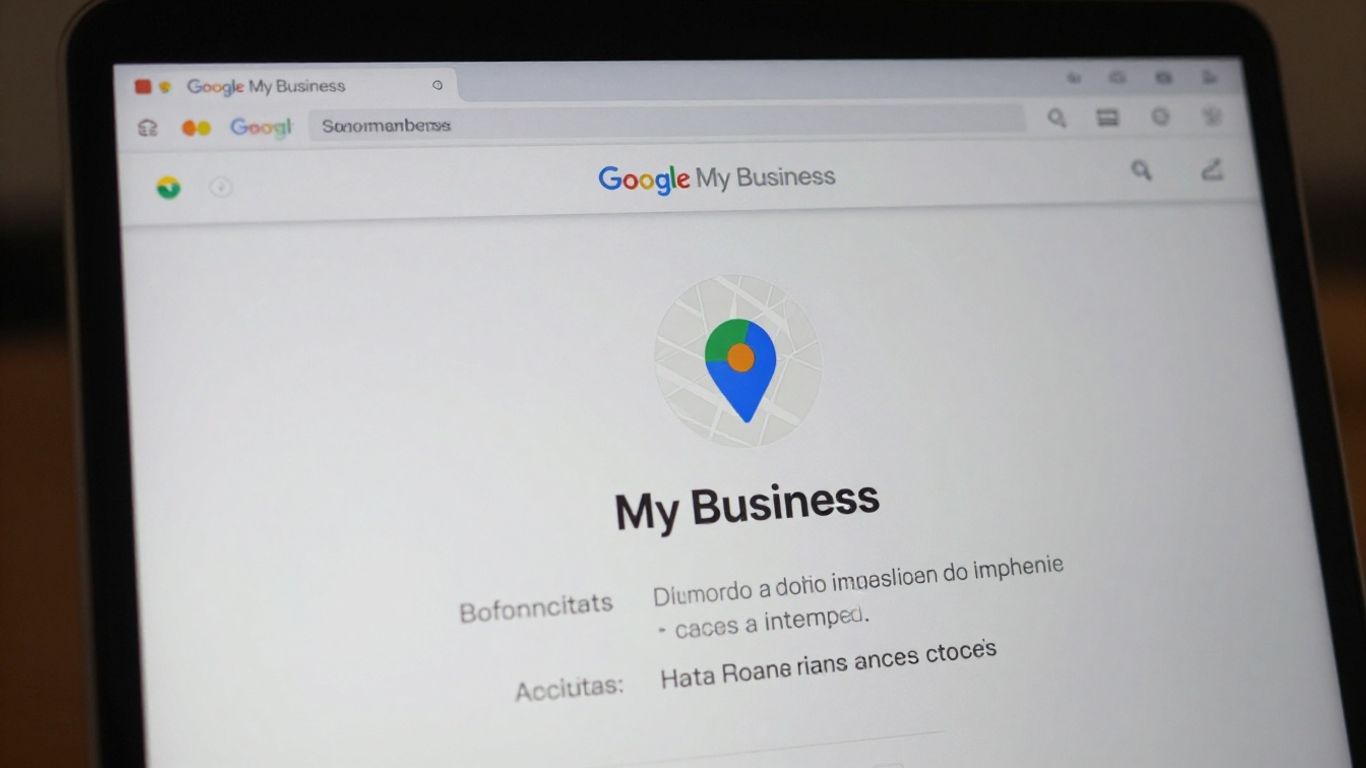
Okay, let's talk about Google My Business, or GMB as everyone calls it. If you're a local business, this is basically your digital storefront on Google. Getting this profile dialed in is super important for showing up when people search for what you offer nearby. It's not just about listing your address; it's about making a good first impression and giving people all the info they need.
Think about it: when someone searches for "plumber near me" or "best coffee shop downtown," you want your business to pop up, right? A well-optimized GMB profile helps with that. It's a big part of local SEO.
Here’s what you should focus on:
- Keep Your Info Accurate: This sounds basic, but seriously, make sure your business name, address, and phone number are spot on. If they're wrong, people can't find you, or worse, they get frustrated. Update your hours too, especially for holidays.
- Add Great Photos: People eat with their eyes, and businesses are no different. Upload high-quality pictures of your storefront, your products, your team, and what you do. It makes your listing way more appealing.
- Get and Respond to Reviews: Customer reviews are huge. They build trust and help your ranking. Encourage happy customers to leave a review, and always, always respond to them, good or bad. It shows you care.
- Use GMB Posts: Think of these like mini social media updates right on your Google listing. You can share offers, announce events, or highlight new products. It keeps your profile fresh.
- Choose the Right Categories: Google asks you to pick categories for your business. Pick the most relevant ones to help Google understand what you do.
Google's algorithm is always changing, and AI is playing a bigger role in how search results are presented. Having a complete and up-to-date GMB profile helps ensure your business information is accurately picked up and displayed, even in AI-generated answers.
Don't forget to check your GMB insights regularly. They show you how people are finding you, what actions they're taking (like calling or visiting your website), and where they're coming from. This data is gold for tweaking your strategy. Optimizing your Google Business Profile is a continuous process, but the payoff in local visibility is definitely worth it for any B2B tech marketing agency looking to connect with local clients.
10. Community Growth
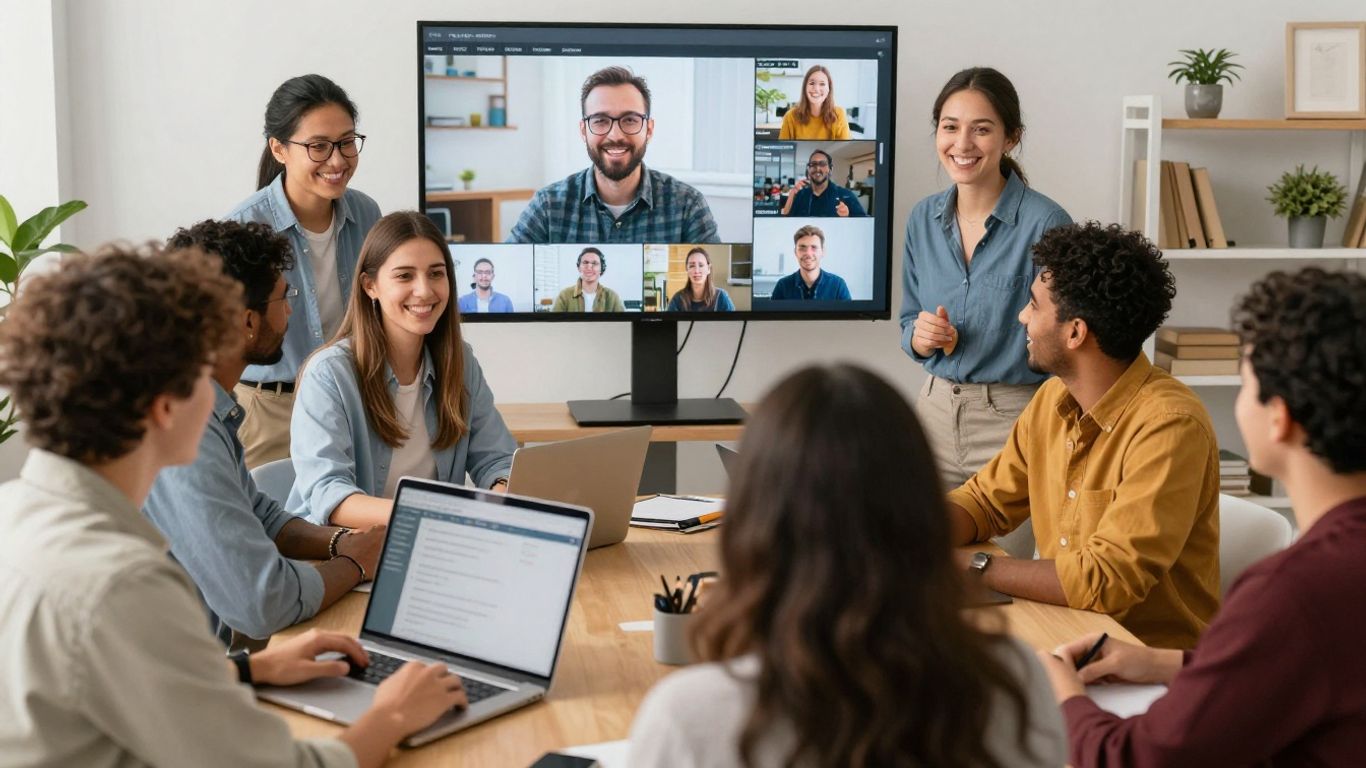
Building a strong community around your brand is super important these days. It's not just about getting people to buy stuff; it's about creating a space where they feel connected and valued. Think of it like a digital neighborhood for your customers and fans.
The real magic happens when your community starts talking to each other and spreading the word. This organic buzz is way more powerful than any ad you can run. It means people trust your brand enough to recommend it to their friends and colleagues.
So, how do you actually grow this thing?
- Be present and engage: Don't just post and disappear. Respond to comments, answer questions, and jump into conversations. Show people you're listening.
- Offer exclusive value: Give your community members something special. This could be early access to new products, behind-the-scenes content, or special discounts.
- Encourage user-generated content: Ask your community to share their experiences with your brand. Feature their posts and stories – it makes them feel appreciated and gives you great content.
- Create a dedicated space: Whether it's a Facebook group, a Discord server, or a forum on your website, having a central hub makes it easier for people to connect.
Building a community takes time and consistent effort. It's a marathon, not a sprint, but the payoff in loyalty and advocacy is huge. It's about nurturing relationships, not just collecting followers.
We see community growth as a key part of our proven four-step strategy, following content marketing and lead generation. It’s where those leads start to become loyal fans and advocates. It’s about turning customers into a tribe. This approach helps businesses scale and achieve success, creating a sustainable growth engine.
Wrapping It Up
So, there you have it. The B2B tech marketing scene in 2026 is all about being smart, staying connected, and actually helping your customers. Forget the old ways of just shouting into the void. Focus on making real connections, using the tools that actually work, and always, always putting your audience first. It’s not just about selling anymore; it’s about building something lasting. Get out there and make it happen!
Frequently Asked Questions
What are the top marketing strategies for businesses in 2026?
In 2026, businesses should focus on creating great content, getting leads, using AI and automation, making smart social media moves, building a strong brand, doing local marketing, getting press, and growing online communities. It's all about connecting with people in smart ways.
How does content marketing help a business grow?
Content marketing is like creating helpful articles, videos, or posts that attract people. When you share useful information, customers see you as an expert, trust you more, and are more likely to buy from you. It's about giving value first.
What is lead generation and why is it important?
Lead generation is how businesses find potential customers who are interested in what they offer. It's important because without new customers, a business can't grow. Think of it as finding people who might want to buy your stuff.
How can AI and automation help with marketing?
AI and automation can do many marketing tasks automatically, like sending emails or posting on social media. This saves time, helps you talk to customers in a more personal way, and makes sure you don't miss opportunities to connect with people who are interested.
Why is social media marketing still important for businesses?
Social media is where people spend a lot of time. It's a great place to talk directly with customers, build a community around your brand, and show off what makes your business special. It helps people find you and get to know you.
What does 'branding' mean for a business?
Branding is how people see and feel about your business. It's more than just a logo; it's about your business's personality, what you stand for, and the overall experience customers have with you. Good branding makes people remember you and choose you over others.
How does digital marketing automation differ from regular marketing?
Digital marketing automation uses technology to do marketing tasks automatically, like sending emails at the right time or following up with leads. Regular marketing might involve doing these things manually. Automation makes things faster and more efficient.
What is local marketing and who needs it?
Local marketing helps businesses that serve a specific area, like a restaurant or a local shop. It focuses on getting found by people nearby, often through things like Google Maps and local online searches. It's key for businesses that rely on local customers.
How can optimizing my Google My Business profile help?
Your Google My Business profile is often the first thing people see when they search for local businesses. Keeping it updated with correct hours, photos, and information helps people find you easily and encourages them to visit or call.
What is community growth in marketing?
Community growth means building a group of loyal fans and customers who engage with your brand and each other. These people often become your biggest supporters and help spread the word about your business through recommendations.
How long does it usually take to see results from these marketing strategies?
It really depends on what you're doing! Some things, like paid ads, can show results quickly, sometimes in days. Others, like building up your website's search ranking or creating lots of great content, can take a few months, like 3 to 6 months, to really make a big difference.
How do agencies measure if their marketing efforts are successful?
Agencies track important numbers, like how many people visit your website, how many become customers, how much people interact with your posts, and how much money you make compared to what you spend on ads. These numbers show if the marketing is working well.

Keep Reading
More insights to help your business grow online